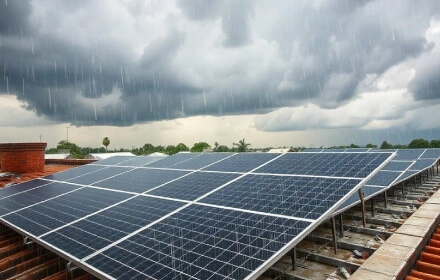
Solar panels have become essential for harnessing clean, sustainable energy as renewable energy adoption accelerates globally. However, questions about their durability and reliability often arise, particularly regarding their ability to withstand weather conditions. One common concern is:
This guide addresses this question while offering insights into how solar panels are engineered for durability and efficiency. We’ll also explore factors to consider when investing in solar energy and highlight why solar panels are a reliable and sustainable energy solution.
Solar panels are designed to endure various weather conditions, including rain, snow, and humidity. While "waterproof" may not entirely describe their capabilities, solar panels are highly water-resistant and can function effectively under normal environmental conditions.
How Solar Panels Resist Water Damage
Tempered Glass Covering: The top layer of solar panels is made from durable tempered glass, which protects the photovoltaic (PV) cells from moisture and debris.
Sealed Edges: High-quality sealants are used along the edges of solar panels to prevent water infiltration.
Waterproof Junction Boxes: The electrical components of solar panels are housed in sealed junction boxes, ensuring that rain or humidity does not compromise performance.
Solar panels undergo rigorous manufacturing testing to meet international weather resistance standards, making them a reliable energy source even in harsh conditions.
The ability of solar panels to withstand varying weather conditions is one of the reasons they are widely adopted for residential, commercial, and industrial energy solutions.
Features:
Weather Resistance: Solar panels can handle heavy rainfall, wind, and snow without affecting their functionality.
Longevity: Most solar panels have a lifespan of 25 years or more, supported by robust warranties from solar manufacturing companies.
Efficiency in Adverse Conditions: Advanced technologies like Topcon solar panels are designed to maintain high energy output even in low-light or cloudy conditions.
Investing in solar energy offers long-term benefits for homeowners and businesses, making it an ideal choice for reducing energy costs and environmental impact.
Cost Savings: Installing solar panels reduces reliance on conventional electricity, lowering monthly energy bills. The solar panel installation cost may seem significant initially, but the return on investment typically begins within 6-8 years.
Energy Independence: Solar panels enable you to generate your electricity, protecting against fluctuating utility rates.
Environmental Sustainability: By switching to solar power, you contribute to reducing greenhouse gas emissions and promoting cleaner energy production.
Increased Property Value: Properties equipped with solar panels often see a rise in market value, making it a smart investment.
Selecting the right solar panels is critical to maximizing efficiency and cost-effectiveness. Here's what to consider:
Advanced Technology: Topcon solar panels, a cutting-edge technology in the solar industry, are highly efficient and durable. Their innovative design minimizes energy loss and ensures better performance over time. Despite their advanced features, the Topcon solar panel price is competitive, making them a popular choice among homeowners and businesses.
Quality: Solar panels from reliable solar panel manufacturers in India adhere to stringent quality standards. This ensures their performance and longevity in diverse conditions.
Installation Costs and Compatibility: Understanding the solar panels for a home cost is essential for proper budgeting. Additionally, ensure that the panels and supporting systems are compatible with your energy requirements and location.
The solar module manufacturers in India offer panels at varying price points to suit different energy needs. While the upfront cost of installation may vary, the long-term savings on electricity bills make solar energy a cost-effective choice.
Panel Type: Monocrystalline and Topcon solar panels are typically more expensive but offer higher efficiency.
System Size: Larger systems involve higher installation costs but yield greater energy savings over time.
Location and Installation Requirements: Areas with high sunlight exposure and minimal shading optimize the system's performance and cost efficiency.
Whether you're a homeowner or a business owner, investing in solar panels for home or commercial use is a step toward energy independence and sustainability. It offers:
Consistent Energy Savings: Generate your electricity and reduce utility bills.
Environmental Benefits: Solar energy is clean and renewable, helping combat climate change.
Tax Incentives and Subsidies: Many governments, including India’s, offer financial incentives for solar panel installations.
When selecting a solar provider, it’s important to choose a company that blends innovation, reliability, and affordability. As one of the leading solar power manufacturers in India, Orient Solar excels in producing high-quality solar panels, including Topcon solar panels, tailored to meet diverse energy requirements. Whether you’re looking for a solution for residential or commercial energy needs, Orient Solar stands out as one of the best solar brands in India and a reliable partner in your journey toward sustainability.
Frequently Asked Question
Request A Quote