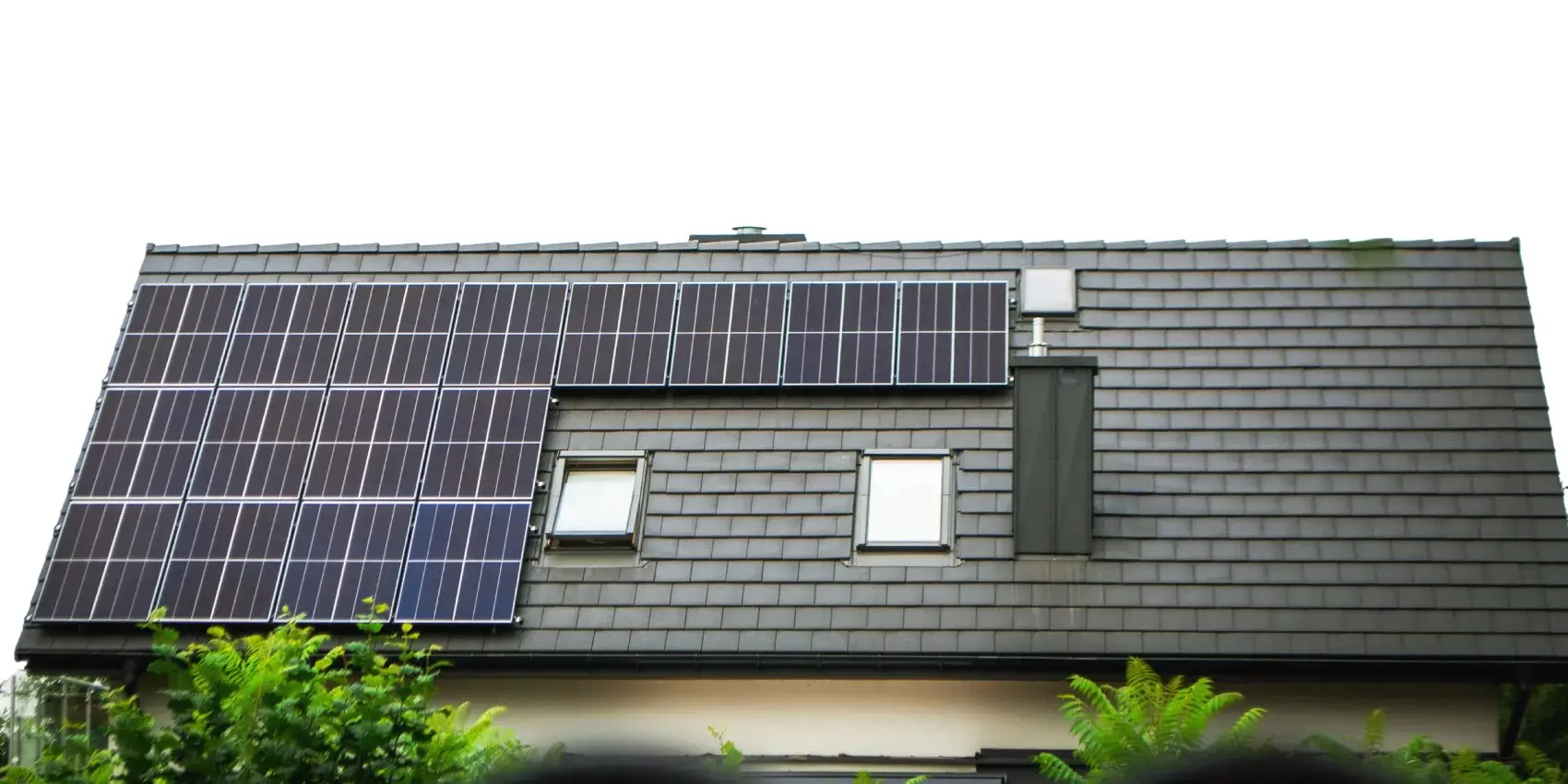
The Ministry of New and Renewable Energy (MNRE) in India has introduced significant amendments to the “incentive to local bodies” component of the PM Surya Ghar Muft Bijli Yojana, a flagship initiative aimed at transforming the nation’s energy landscape by promoting widespread adoption of rooftop solar systems. Launched with the ambitious goal of installing solar panels in 10 million households by 2027, the PM Surya Ghar Muft Bijli Yojana seeks to empower citizens to generate their own electricity, reduce dependency on conventional energy sources, and contribute to India’s renewable energy targets. With a substantial financial outlay of ₹750.21 billion (8.9 billion), the program is designed to run until the fiscal year 2026-27, incorporating innovative strategies to enhance the efficiency and reach of solar energy deployment. The recent updates to the incentive guidelines reflect the government’s commitment to streamlining processes, resolving operational challenges, and ensuring effective fund disbursement to local bodies, thereby fostering greater participation and success of the scheme.
The PM Surya Ghar Muft Bijli Yojana is a transformative initiative that aligns with India’s broader vision of achieving energy self-sufficiency and combating climate change through renewable energy adoption. By enabling households to install rooftop solar systems, the program not only reduces electricity bills but also promotes sustainable energy practices. The scheme is structured to provide financial and technical support to households, ensuring that the transition to solar energy is accessible and affordable. With a focus on scalability and inclusivity, the program targets diverse regions across India, from urban centers to rural villages, ensuring that both urban local bodies (ULBs) and Panchayati Raj Institutions (PRIs) play a pivotal role in its implementation.
The total budget of ₹750.21 billion underscores the government’s commitment to this initiative, with funds allocated for various components, including Central Financial Assistance (CFA), incentives for local bodies, and innovative projects aimed at advancing solar technology and business models. The recent amendments to the incentive guidelines specifically address the operational framework for disbursing funds to local bodies, aiming to enhance efficiency and transparency in the program’s execution.
The MNRE has revised the “incentive to local bodies” component to address operational challenges and simplify the process of fund allocation and disbursement. These changes are designed to ensure that local bodies, which are critical to the grassroots implementation of the PM Surya Ghar Muft Bijli Yojana, receive timely and accurate financial support for their efforts in promoting rooftop solar installations.
Under the revised guidelines, the National Programme Implementation Agency (NPIA) is responsible for disbursing funds to State Implementation Agencies (SIAs) based on the number of rooftop solar installations completed in their respective jurisdictions. This performance-based allocation ensures that regions with higher adoption rates receive proportionate financial support, incentivizing local bodies to actively promote the scheme. The SIAs, in turn, are mandated to transfer these funds to the relevant local bodies—either ULBs or PRIs—within 60 days of receiving them from the NPIA. This timeline is critical to maintaining the momentum of the program and ensuring that local bodies have the resources needed to continue their outreach and implementation efforts.
The NPIA plays a central role in overseeing the implementation of this component, ensuring that incentives are disbursed only once per installation to avoid duplication or misuse of funds. This safeguard is particularly important given the scale of the program, which aims to cover millions of households across diverse geographical and administrative regions.
One of the most significant changes in the amended guidelines is the streamlining of the fund transfer process. Previously, local bodies such as the Department of Panchayat and Rural Development (PRI) and the Department of Urban Administration and Development (ULB) were required to manually upload their authorized account details on the National Portal. This process was time-consuming and prone to errors, creating operational bottlenecks that hindered the timely disbursement of funds.
To address these challenges, the MNRE has introduced a more efficient system that leverages existing authorized databases. Specifically, the Ministry of Panchayati Raj’s e-Gram Swaraj platform, through API integration, and the Ministry of Housing and Urban Affairs’ databases, or their respective state counterparts, will now be used to facilitate direct transfers of incentives to the accounts of local bodies. This integration eliminates the need for manual data entry, reduces administrative delays, and ensures greater accuracy in fund allocation. By utilizing established digital infrastructure, the MNRE has significantly simplified the process, making it easier for local bodies to receive their incentives and focus on promoting solar installations.
The “incentive for local bodies” component is backed by a dedicated budget of ₹10 billion (~115.75 million), reflecting the government’s recognition of the critical role played by ULBs and PRIs in the success of the PM Surya Ghar Muft Bijli Yojana. These funds are intended to motivate local bodies to actively engage with communities, raise awareness about the benefits of rooftop solar systems, and facilitate the installation process. By providing financial incentives, the program encourages local bodies to take ownership of the scheme’s implementation, ensuring that it reaches even the most remote and underserved areas.
The NPIA’s role in managing this budget includes rigorous oversight to ensure that funds are allocated fairly and transparently. The agency is tasked with verifying the number of installations in each region and ensuring that incentives are disbursed only for verified installations. This accountability mechanism is essential to maintaining the integrity of the program and ensuring that public funds are used effectively.
In addition to the changes in the incentive disbursement process, the MNRE has introduced amendments that allow state and union territory governments to supplement the Central Financial Assistance (CFA) provided under the PM Surya Ghar Muft Bijli Yojana. This provision enables states and union territories to offer additional subsidies for rooftop solar systems, further reducing the financial burden on households and encouraging greater participation in the scheme.
To ensure transparency and coordination, these additional subsidies must be updated on the national portal, providing a centralized platform for tracking financial support across different regions. This measure not only enhances the affordability of solar installations but also fosters a collaborative approach between the central and state governments, aligning their efforts toward the common goal of expanding renewable energy access.
The PM Surya Ghar Muft Bijli Yojana includes a dedicated component for innovative projects, designed to identify, fund, and support advancements in both the technical and business aspects of rooftop solar systems. This component encourages the development of new technologies, such as more efficient solar panels or energy storage solutions, as well as innovative business models that can make solar energy more accessible to diverse populations. By fostering innovation, the program aims to address challenges such as high upfront costs, technical complexities, and scalability, ensuring that rooftop solar systems become a viable option for households across India.
The innovative project's component is particularly significant in the context of India’s diverse energy needs. By supporting research and development, the program aims to create solutions that are tailored to the unique challenges of different regions, whether it’s the high energy demand in urban areas or the limited infrastructure in rural villages. This focus on innovation underscores the forward-thinking approach of the PM Surya Ghar Muft Bijli Yojana, positioning it as a model for sustainable energy initiatives worldwide.
The amendments to the incentive guidelines have far-reaching implications for the implementation of the PM Surya Ghar Muft Bijli Yojana. By simplifying the fund disbursement process and integrating existing digital platforms, the MNRE has addressed key operational challenges that could have hindered the program’s success. These changes ensure that local bodies, which are closest to the communities they serve, are adequately supported in their efforts to promote solar energy adoption.
The introduction of state and union territory subsidies further enhances the program’s flexibility, allowing regions to tailor their financial support to local needs and priorities. This decentralized approach is critical in a country as diverse as India, where economic, geographic, and cultural factors vary widely across regions. By empowering states and union territories to contribute to the program, the MNRE is fostering a sense of shared responsibility and collaboration, which is essential for achieving the ambitious target of 10 million solar installations by 2027.
Moreover, the focus on innovation through the dedicated projects component positions the program as a catalyst for long-term advancements in the renewable energy sector. By supporting cutting-edge technologies and business models, the PM Surya Ghar Muft Bijli Yojana is not only addressing immediate energy needs but also laying the foundation for a sustainable energy future.
While the amendments represent a significant step forward, the implementation of the PM Surya Ghar Muft Bijli Yojana faces several challenges. Ensuring timely fund disbursement, maintaining transparency, and verifying the accuracy of installation data are critical to the program’s success. The reliance on digital platforms, while efficient, also requires robust cybersecurity measures to protect sensitive financial and operational data.
Additionally, raising awareness about the benefits of rooftop solar systems remains a key challenge, particularly in rural and underserved areas where access to information and resources may be limited. Local bodies will need to undertake extensive outreach efforts to educate communities about the program and address misconceptions about solar energy.
However, these challenges also present opportunities for growth and innovation. By leveraging the expertise of ULBs and PRIs, the program can tap into local knowledge and networks to reach a wider audience. The support for innovative projects opens the door to new technologies and approaches that can overcome existing barriers, making solar energy more accessible and affordable for all.
The amendments to the “incentive to local bodies” component of the PM Surya Ghar Muft Bijli Yojana reflect the MNRE’s commitment to enhancing the efficiency, transparency, and inclusivity of this transformative initiative. By streamlining fund disbursement, integrating digital platforms, and enabling state-level subsidies, the ministry has addressed key operational challenges and created a more robust framework for implementation. With a budget of ₹750.21 billion and a target of 10 million household installations by 2027, the program is poised to make a significant impact on India’s energy landscape, empowering households, promoting sustainability, and fostering innovation in the renewable energy sector. Through the collaborative efforts of the central government, state agencies, and local bodies, the PM Surya Ghar Muft Bijli Yojana is paving the way for a brighter, more sustainable future.
Frequently Asked Question
Request A Quote