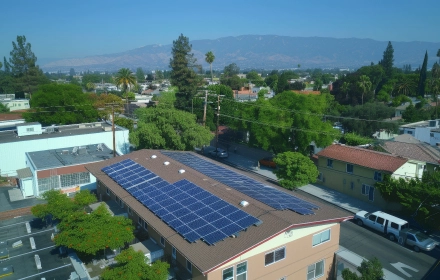
As India embraces renewable energy, solar panel systems have emerged as a powerful solution for both residential and industrial energy needs. Whether you're considering a solar panel system for your home or a large-scale solar energy setup for your factory, understanding the components, benefits, and types of systems available is essential.
This guide provides complete information on residential solar panel systems, industrial solar energy systems, and what makes Orient Solar one of the top solar panel manufacturers in India.
A solar panel system is a complete setup that captures sunlight and converts it into usable electricity. It typically includes solar panels, inverters, mounting structures, and optional battery storage. These systems are ideal for both homes and industries looking to save on electricity bills and reduce their carbon footprint.
Solar Panels – Capture sunlight
Inverters – Convert DC to AC electricity
Mounting Structures – Hold panels in place
Battery Storage (Optional) – Stores power for later use
Monitoring System – Tracks system performance
Choosing the right type of solar panel system is crucial based on your usage and budget.
These panels are made from single-crystal silicon and are known for their high efficiency and sleek appearance. They are ideal for residential rooftops or smaller industrial spaces where maximizing output per square meter is crucial.
More affordable than monocrystalline panels, polycrystalline panels are made from multiple silicon fragments. They offer good efficiency and are suitable for large installations where space is not a constraint.
TOPCon (Tunnel Oxide Passivated Contact) panels are a next-generation solution known for advanced performance and efficiency. These are ideal for high-load industrial use or advanced residential applications.
A residential solar panel system offers multiple benefits:
Significant reduction in monthly electricity bills
Increases home resale value
Provides energy independence with storage solutions
Supports environmental sustainability efforts
Costs depend on system size, location, and panel type. However, government schemes like PM Surya Ghar Yojana can reduce overall cost by 30–40%. Most home systems in India range between 1kW to 10kW, and the average cost after subsidy can vary from INR 60,000 to INR 4,00,000 depending on configuration.
Reduce operational energy expenses
Meet green energy and sustainability targets
Scale power output according to facility size
Leverage government tax incentives for better ROI
Yes. Industrial solar panel systems are ideal for warehouses, factories, data centers, and production units with large energy demands. Orient Solar customizes each solution based on your power load and usage.
India is committed to achieving 500 GW of non-fossil fuel energy capacity by 2030. Solar power plays a major role in this transition. Adopting solar panel systems for homes and industries helps:
Reduce national dependence on coal-based power
Improve air quality and reduce greenhouse emissions
Achieve net-zero emissions goals under the Paris Agreement
Foster rural energy independence and economic development
Most solar panels come with a warranty of 25 years, and many continue to function effectively even beyond that with minor efficiency reduction.
Clean panels every 6–12 months to maintain efficiency
Use monitoring systems to detect underperformance
Replace inverters every 10–15 years
Working with an experienced and reliable supplier ensures the quality of components, proper installation, and long-term support.
While many companies offer solar systems, Orient Solar leads with innovation, performance, and nationwide support, making it one of India’s most trusted solar companies.
Orient Solar is recognized as India’s No. 1 solar panel company for good reason:
We offer premium Topcon and monocrystalline panels
Our hybrid solar inverters use smart MPPT technology
We provide end-to-end EPC and maintenance services
We serve both residential and industrial clients
We focus on performance, efficiency, and reliability
Myth: Solar panels don't work on cloudy days
Fact: They still generate power, though at reduced efficiency.
Myth: Solar systems require constant maintenance
Fact: Basic cleaning twice a year is enough for most systems.
Myth: Solar power is too expensive
Fact: With subsidies and long-term savings, it’s more affordable than ever.
Investing in solar energy means investing in long-term savings and environmental health. Whether you need a residential or industrial solar panel system, the right provider makes all the difference.
Orient Solar delivers tailor-made solar solutions backed by quality technology and expert service. Power your future with a clean, renewable energy source—power it with Orient Solar.
Frequently Asked Question
Request A Quote