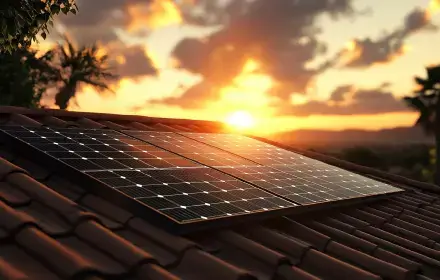
With the growing need for sustainable energy solutions, many homeowners consider solar power a clean and cost-effective alternative to traditional electricity. The question that most people ask when considering a solar installation is: "How many solar panels do I need to power my house?"
The number of solar panels required depends on various factors such as your energy consumption, solar panel efficiency, location, and energy goals. In this blog, we will explore how to calculate the number of solar panels you need and provide insights into solar panel efficiency, with a focus on Orient Solar's advanced technologies, like TOPCon solar panels.
Several factors play a role in determining how many solar panels your home needs to run effectively. Here are the key variables that influence your solar system:
Energy Consumption
Solar Panel Efficiency
Sunlight Hours
Energy Goals
Let’s break these down:
The first and most important factor is your home’s energy consumption. To determine how many solar panels you need, start by identifying how much energy your household uses on average. A typical Indian household uses about 250-800 kWh per month, but this can vary greatly depending on the size of the home and the appliances used.
If you use 500 kWh per month, this is roughly 16.6 kWh per day.
The efficiency of the solar panels you choose directly impacts how much power they can generate. Orient Solar offers TOPCon solar panels, which are among the most efficient available. These panels can generate more electricity with fewer panels. For example, a TOPCon solar panel might generate 20-30% more energy than conventional panels, allowing you to meet your energy needs with fewer panels, reducing both installation costs and roof space requirements.
Another critical factor in determining how many solar panels you need is how much sunlight your area receives. India experiences varying levels of sunlight based on geography. In southern regions like Tamil Nadu and Kerala, sunlight hours can range from 5 to 6 hours per day. In northern parts, sunlight may be available for about 4 to 5 hours per day.
Consider whether your goal is to completely offset your electricity consumption or just reduce your energy bills. If you want to become energy independent, you'll need a larger system to cover 100% of your energy needs. If you are only looking to reduce electricity costs, a smaller system will suffice.
Now that we’ve covered the main factors, let’s get into the specifics. If your home uses around 500 kWh per month, here's how you can estimate the number of solar panels needed:
Estimate daily energy consumption:
If you consume 500 kWh per month, that’s about 16.6 kWh per day.
Solar panel output:
A standard 350W solar panel produces about 1.4 kWh per day under ideal sunlight conditions.
Divide your daily energy consumption by the solar panel output:
16.6 kWh ÷ 1.4 kWh per panel ≈ 12 panels.
So, for a home using around 500 kWh per month, you’ll need approximately 12 solar panels.
The wattage and efficiency of the solar panels determine how many panels you will need. Higher wattage panels, such as TOPCon solar panels from Orient Solar, generate more power with fewer panels. This means you save on installation space and reduce your overall system costs.
For example, with a 400W solar panel you might need only about 10-12 panels to meet the same 16.6 kWh daily energy requirement.
Roof Space: The amount of space available on your roof will determine how many panels can be installed. Larger roofs can accommodate more panels, while smaller roofs may limit the number of panels.
Battery Storage: If you want to store energy for use at night or during cloudy days, you may need more panels or battery storage solutions.
To further understand the benefits of solar power, you can refer to the Government of India’s Ministry of New and Renewable Energy (MNRE) website. This link provides authoritative resources and information on India’s solar energy policies and incentives, ensuring that you are well-informed about the various benefits and rebates available when you make the switch to solar energy.
Orient Solar is committed to providing high-quality solar solutions that help homes reduce energy costs and contribute to a cleaner environment. With TOPCon solar panels, our products offer high efficiency and long-term performance, ensuring you get the most out of your solar investment.
Determining how many solar panels you need to power your house can be complex, but with the right guidance, it becomes much easier. By working with Orient Solar, you get access to high-quality TOPCon solar panels and expert advice to design a system that meets your energy needs efficiently and effectively.
Start your journey towards clean, renewable energy today and reduce your electricity bills while helping the environment.
Contact Orient Solar today for a free consultation on how many solar panels you need for your home, and let us help you choose the right solution for your energy needs. Click here to get in touch.
Frequently Asked Question
Request A Quote