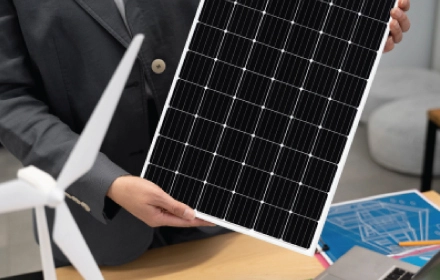
As the global energy landscape shifts toward sustainability, industrial sectors are seeking smarter, more cost-effective power solutions. One such innovation is the hybrid solar system. Combining solar panels, battery storage, and grid connectivity, hybrid solar systems offer unmatched energy reliability and cost savings. This blog explores the advantages of hybrid solar energy systems, their return on investment (ROI), and how industries in India can leverage this solution for long-term benefits.
A hybrid solar system integrates three main energy components:
Solar Panels – Convert sunlight into direct current (DC) electricity.
Inverters – Convert DC to alternating current (AC), which is usable by industrial equipment.
Battery Storage – Stores excess energy for use during non-sunny hours or peak demand periods.
Grid Connection – Acts as a backup when solar and battery power are insufficient.
This system offers the dual advantage of generating clean power while ensuring energy availability at all times. Hybrid systems also incorporate advanced charge controllers to regulate the power flow between solar, battery, and the grid efficiently.
Hybrid solar systems are designed for operational efficiency, energy independence, and sustainability. Here are their key advantages:
By producing their own electricity, industries reduce dependence on expensive grid power. Stored solar energy can be used during peak hours to avoid high tariffs. Over time, this leads to significant reductions in electricity bills and improves overall financial predictability.
Power outages can be costly for industrial operations. Hybrid systems offer uninterrupted energy supply using solar, batteries, and the grid. This is particularly beneficial in regions with unstable grid access, ensuring smooth operations and reduced downtime.
Using solar energy drastically lowers carbon emissions. Hybrid systems promote sustainability and help companies meet their green energy goals while contributing to India’s renewable targets. Many industries are increasingly aligning with ESG (Environmental, Social, Governance) standards, and solar adoption strongly supports these objectives.
Industries often face peak-time charges. Hybrid systems allow usage of stored solar energy during peak hours, reducing grid strain and improving load management. This reduces both operational costs and pressure on local grid infrastructure.
During times of excess solar generation, industries can export power to the grid. This helps balance supply-demand and strengthens overall grid stability. Some states in India also offer feed-in tariffs for excess electricity contributed to the grid.
Hybrid systems can be installed in phases. Businesses can start small and scale as their energy needs grow. This makes it a future-ready investment that aligns with business growth without significant upfront investments.
With increasing global fuel prices and energy insecurity, hybrid solar systems offer industries a buffer against volatility. Energy resilience becomes a key competitive advantage, especially during energy crises or fuel supply disruptions.
Many industrial sites operate in remote areas with unreliable or no grid connectivity. Hybrid solar systems ensure consistent power without the need for diesel generators, reducing both costs and emissions.
India is witnessing exponential growth in hybrid solar adoption due to government incentives, net metering policies, and rising electricity tariffs. The hybrid solar panel market is expected to accelerate further as storage technologies become more affordable and efficient.
According to recent industry reports, the hybrid solar segment in India is projected to grow at a CAGR of over 10% in the next five years. This surge is driven by industrial demand, climate goals, and technological advancements.
Companies like Orient Solar are playing a pivotal role in providing scalable, cost-effective hybrid solar systems for industrial clients across India. Their expertise in design, engineering, and execution helps industries unlock the full potential of solar energy.
Return on Investment (ROI) is one of the most important metrics for industrial decision-makers. Here's how hybrid solar systems deliver strong ROI:
Savings start immediately after installation. Solar self-consumption and battery backup reduce grid usage significantly. Over time, energy bill savings alone can offset initial investment costs.
Industries in India benefit from accelerated depreciation (up to 40%), capital subsidies, and GST reductions on renewable components. These incentives improve the payback period, making solar systems more financially attractive.
Uninterrupted power leads to higher operational uptime, fewer downtimes, and increased output. Hybrid systems also reduce reliance on diesel generators, improving workplace efficiency and air quality.
Hybrid solar systems have minimal moving parts, leading to reduced maintenance costs and long system lifespan. Routine checks and occasional component replacement ensure smooth functioning for over 20+ years.
Installing a hybrid solar system enhances facility value and reflects positively on the company’s ESG (Environmental, Social, Governance) profile. It also strengthens investor confidence in sustainable business practices.
With volatile fuel and grid prices, industries face unpredictable expenses. Hybrid solar systems lock in a stable, low-cost energy source, allowing better financial planning and long-term cost control.
Thanks to subsidies and long-term savings, many hybrid solar systems offer a payback period of 3–5 years. After that, the system continues delivering free energy, boosting profitability.
Orient Solar provides tailored hybrid solar solutions for industrial clients. From site assessment and design to installation and after-sales support, Orient ensures:
Maximum energy efficiency
Scalable and modular designs
Use of Tier-1 components
Data-driven energy monitoring
Dedicated project management team
With decades of experience and in-house expertise, Orient Solar helps industries move toward energy independence with confidence. They support industrial clients across manufacturing, textiles, food processing, pharma, and more.
Hybrid solar systems represent the future of industrial energy in India. Their combination of cost-effectiveness, reliability, and environmental impact makes them an ideal choice for forward-thinking businesses. With government incentives and rising energy costs, the time to invest in hybrid solar is now.
By working with a trusted partner like Orient Solar, industries can achieve long-term energy resilience, operational efficiency, and sustainability leadership.
Frequently Asked Question
Request A Quote