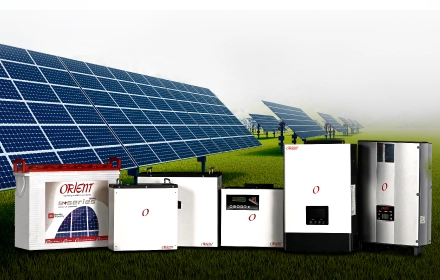
Solar energy is leading the way in the competition to lower carbon footprints and save energy costs as the world shifts to renewable energy sources. A complete solution for both financial savings and environmental sustainability is provided by solar technology, which includes panels, inverters, and batteries. To fully appreciate the financial advantages of purchasing a solar power system, one must comprehend how these parts interact with one another.
The component of a solar power system that is most visible is the solar panel. These panels are made of photovoltaic (PV) cells, which turn sunlight into direct current (DC) power. They are usually mounted on rooftops or in open areas. Over time, solar panel efficiency has increased dramatically, and contemporary panels can now convert a sizable amount of sunshine into useful electricity.
Solar panels may seem like a big initial expenditure, but the long-term advantages significantly outweigh the price. Your own electricity production helps you become less dependent on the grid, which lowers your monthly energy costs significantly. To further lower the overall cost, numerous countries now provide tax breaks and rebates for installing solar panels.
The majority of home appliances utilise alternating current (AC), however solar panels produce direct current (DC) electricity. Here's where inverters get useful. The DC electricity generated by the solar panels is transformed into AC electricity by an inverter, allowing it to be used with the electrical system in your house.
A variety of inverter types are available, such as power optimizers, microinverters, and string inverters. Each has benefits and works well for various installation kinds and price ranges. String inverters are a great option for installations with reliable sunshine because they are affordable. Even though they are more expensive, microinverters maximise the output of each individual panel, making them ideal for systems where shadowing is an issue. Power optimizers use a centralized inverter to increase each panel's efficiency while striking a balance between the two.
The amount of solar energy produced fluctuates depending on the weather and time of day. This unpredictability can be problematic, particularly when there is a significant demand for power during the hours when it is not sunny. Batteries solve this problem by storing extra energy generated in the hours of maximum sunlight so that it can be used at night or in situations where there is not enough sunlight.
Systems for storing batteries have significantly improved; lithium-ion batteries, for example, provide excellent lifetime, efficiency, and storage capacity. You can increase your solar power system's dependability and energy independence by adding batteries. By using stored solar energy to power your house during blackouts, you may lessen your reliance on the grid and cut your energy expenses even further.
When solar panels, inverters, and batteries work together, they create a seamless and efficient energy system. During the day, solar panels generate electricity, which is then converted by the inverter to power your home. Excess energy is stored in the batteries for later use. At night or during cloudy days, the stored energy is used, ensuring a continuous supply of electricity.
This synergy not only maximizes the efficiency of your solar power system but also enhances its economic viability. By reducing the need to draw power from the grid, you can significantly lower your electricity bills. Additionally, in many regions, you can sell excess power back to the grid, creating an additional revenue stream through net metering programs.
Investing in a solar power system offers long-term economic benefits. While the initial cost may be high, the return on investment is substantial. On average, homeowners can save tens of thousands of dollars over the lifespan of their solar power system. Furthermore, solar technology increases property value, making it a wise investment for the future.
In conclusion, the economics of solar power are compelling. By harnessing the power of solar panels, inverters, and batteries, you can achieve significant energy savings and contribute to a more sustainable future. The integration of these technologies not only reduces your energy costs but also provides energy independence and security. As solar technology continues to advance and become more affordable, the economic benefits will only grow, making now the perfect time to invest in solar power.
Frequently Asked Question
Request A Quote