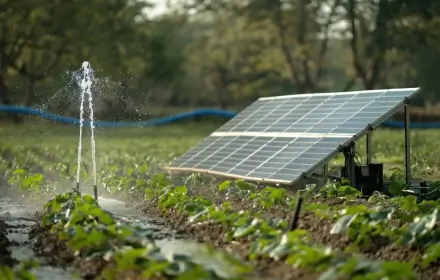
Farming has been revolutionized in its approach to sustainability and cost efficiency because solar panels are being introduced into agriculture. Orient Solar has empowered farmers to produce electricity and save fossil fuel supplies from depletion. Solar power has provided dual benefits: reducing energy consumption costs and minimizing environmental impact. This blog discusses the economic and environmental benefits of solar energy systems in agriculture, focusing on the use of solar panels, hybrid solar systems, and other solar products.
1. Lower Energy Costs
A farmer would require a constant supply of electricity not only for irrigation systems and lighting but also for machinery, which usually turns out expensive. This expense can be reduced by installing solar panels.
Solar power systems enable farmers to cut complete reliance on expensive grid electricity and on diesel generators. This is valuable for rural locations, as the cost of importing traditional sources of energy can be quite heavy. Hybrid solar systems provide a reliable power supply for farms by combining solar energy with supplementary sources, ensuring continuous electricity during periods of low sunlight.
2. Government Subsidies and Incentives
In India, the government offers incentives on subsidies and tax incentives that encourage the use of renewable energy. A solar panel solution qualifies for all the renewal energy programs, which make solar panel systems affordable to install for farmers. The incentives reduce the costs in purchasing of solar panels and their equipment and allow farmers to invest in clean energy while minimizing the cash-outflow pressure.
An example: Indian farmers who buy solar energy products can claim to get subsidy support from the government for their installation at a significant percentage level of cost. These systems pay themselves over time as they generate free energy from sunlight, thus increasing financial returns over the years with investment.
3. Increased Profitability Through Energy Independence
Installation of solar panels in their farms can help farmers become more energy-independent. Meanwhile, they are free to avoid volatile fuel prices and volatile electricity rates. With solar panels from Orient Solar, farms can produce their electricity. The operational cost is significantly reduced, and profitability improved with this move.
Additionally, many farmers can sell excess solar power back to the grid, generating additional income. This energy can be produced using solar energy systems for homes or larger solar panel installations designed specifically for agricultural operations. By partnering with Orient Solar, farmers can ensure they maximise their solar investment's financial benefits.
4. Soil Health and Biodiversity Preservation
Solar energy helps reduce environmental damage caused by the use of fossil fuels. Conventional farming methods that rely on diesel-powered machinery often result in soil degradation and air pollution, harming the health of ecosystems. By using solar energy systems, farmers can protect the soil and surrounding environment.
Solar panels can be installed on rooftops, farm buildings, or even unused land, allowing farms to harness solar energy without affecting their crop production. By partnering with Orient Solar, farms can access a wide range of solar panel items and energy panel systems that promote sustainable farming practices while preserving soil health and biodiversity.
Solar panels have numerous applications in agriculture, each providing farmers with the means to enhance their operations and lower costs. Some of the most common uses of solar energy in agriculture include:
Solar Energy-Powered Water Pumps: These systems use solar energy products to power irrigation pumps, offering an efficient alternative to grid or diesel-powered pumps. Farmers can reduce their energy costs while improving water use efficiency.
Water and Space Heating: Solar panels can heat water for livestock or other farm operations, as well as provide space heating for greenhouses. This reduces the need for fossil fuel-based heating systems and lowers emissions.
Crop and Grain Drying: Solar-powered dryers offer an eco-friendly and cost-efficient way to dry crops and grains, ensuring farmers avoid spoilage while saving on energy costs.
Greenhouse Heating: Solar energy can be harnessed to heat greenhouses, creating an optimal growing environment for plants while reducing energy consumption.
Remote Supply of Electricity: For farms located in off-grid areas, solar energy systems provide a practical solution to power essential operations, such as lighting, refrigeration, and machinery.
Solar-Powered Cooling Systems: Solar energy can be used to power refrigeration and cooling systems, ensuring that crops and livestock products remain fresh and market-ready.
In agriculture, consistent power is essential for irrigation, machinery, and storage systems. However, sunlight can be unpredictable in certain regions. This is where hybrid solar systems from Orient Solar can offer a solution. These systems combine solar power with backup energy sources such as batteries or grid electricity, ensuring farms always have access to power.
The hybrid solar system working method involves drawing power from solar panels during the day and switching to backup sources during cloudy weather or at night. This ensures farms maintain continuous operations regardless of sunlight conditions. Hybrid solar power systems are especially beneficial for large-scale agricultural operations that cannot afford interruptions in energy supply.
The integration of solar panels into agriculture offers both financial and environmental benefits that are crucial for the future of farming. By adopting solar energy systems from trusted suppliers like Orient Solar, farmers can reduce their energy costs, gain energy independence, and contribute to a cleaner environment.
In addition to financial savings, solar panel systems help reduce greenhouse gas emissions, conserve water, and promote soil health. With Orient Solar leading the way as a top solar energy company, farmers have access to innovative solar energy products and hybrid systems designed to meet the unique demands of modern agriculture. As the renewable energy industry in India continues to grow, solar energy will remain a vital tool for creating a sustainable future in agriculture.
Frequently Asked Question
Request A Quote