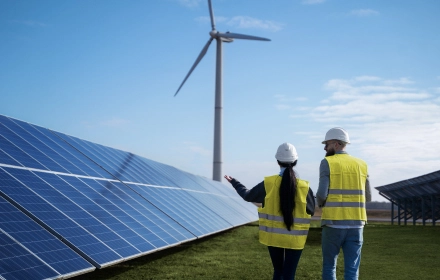
Industries across India are rapidly adopting solar power to reduce electricity costs, ensure energy reliability, and meet sustainability targets. With a well-designed industrial solar power system, businesses can significantly lower their operational expenses and carbon footprint. However, choosing the right solar system for industrial use involves much more than just installing panels. It requires a deep understanding of your energy needs, available system types, site feasibility, and long-term financial goals. This guide covers everything you need to know to select the best solar system for your industry.
Before investing in a solar installation, it’s crucial to understand your facility’s energy usage. Start by reviewing your electricity bills and load patterns to identify peak usage hours and seasonal trends. A professional energy audit can help you map out your base load and peak demands throughout the day.
You should also consider any future expansions or upgrades in machinery that may increase energy consumption. Sizing your solar system with growth in mind ensures it remains efficient and effective in the long run.
Industries have different operational needs, and the solar system must be chosen accordingly. There are three primary types to consider:
These systems are connected to the local electricity grid. They allow you to use solar power during the day and draw from the grid at night or during low sunlight. Excess power generated during the day can be exported back to the grid, earning you credit through net metering. Grid-tied systems are ideal for industries with stable grid access and operations aligned with sunlight hours.
If your facility is located in a remote area with unreliable or no access to the grid, off-grid solar systems may be the best solution. These systems work independently and require substantial battery storage to ensure continuous power supply. While they offer complete energy independence, they are usually more expensive due to battery and backup generator requirements.
Hybrid systems combine the best of both worlds: solar panels, batteries, and a grid connection. They offer flexibility by using solar energy first, storing excess in batteries, and using grid power only when necessary. Hybrid systems are especially useful for industries that require uninterrupted power or face frequent outages.
An industrial solar power system consists of multiple components working together to deliver efficient performance.
Solar Panels: These convert sunlight into electricity. For industrial use, high-efficiency monocrystalline or bifacial panels are recommended.
Inverters: They convert direct current (DC) from the panels into alternating current (AC), which powers your machines and equipment.
Mounting Structures: Panels are secured using strong mounting systems, either rooftop or ground-mounted, depending on available space.
Battery Storage (optional): Lithium-ion batteries can store excess energy for use during night-time or power outages.
Monitoring System: Advanced monitoring tools help you track energy production and system performance in real-time.
Choosing quality components from reputed brands ensures durability, reliability, and maximum efficiency.
Installing a solar system is a long-term investment. To make an informed decision, you must consider both the upfront and ongoing costs.
Start by calculating the total installation cost, which includes solar equipment, engineering, installation, and any site modifications. Then, factor in government subsidies, tax benefits like accelerated depreciation under Section 32, and any available rebates that can reduce your net investment.
Most industrial solar installations recover their costs within 3 to 6 years, offering returns of 15–20%. Financing options like loans, solar leases, and power purchase agreements (PPAs) are also available, making it easier to go solar without a large upfront payment.
Not every site is suitable for a solar system. A feasibility study ensures your investment delivers the expected performance.
Assess your location’s solar exposure. Shading from nearby structures or trees can reduce energy production. Make sure your rooftop or land has the structural strength to support solar panels and mounting systems. Environmental factors like high wind loads, dust, or corrosive industrial emissions should also be taken into account.
Additionally, be aware of local regulations and grid interconnection requirements. Permits, approvals, and safety inspections can affect your project timeline.
The success of your industrial solar installation depends greatly on the expertise of your solar provider. Here’s what to look for:
Experience in Industrial Projects: Choose a company like Orient Solar with a track record of large-scale industrial solar installations.
Quality Assurance: Make sure they use Tier-1 solar panels and certified inverters, offering strong performance warranties.
End-to-End Service: A good EPC (Engineering, Procurement, and Construction) partner provides everything from site assessment to maintenance.
Custom Solutions: Your provider should design a solar solution tailored to your load profile, budget, and operational priorities.
Support and Warranty: Ensure they offer reliable after-sales support, maintenance services, and transparent warranties for long-term peace of mind.
A solar system is a long-term asset. Regular maintenance ensures it continues to deliver optimal performance for 25+ years.
Schedule preventive maintenance like panel cleaning, tightening of connections, and inverter checks. Use a monitoring system to track generation, detect issues early, and analyze performance over time.
With real-time monitoring, your team can address faults quickly, ensuring minimal downtime and maximum returns.
Choosing the right solar power system for industrial applications is a strategic move that can result in major cost savings and increased energy security. By understanding your energy needs, evaluating system types, selecting quality components, and working with a trusted solar provider like Orient Solar, your business can unlock the full potential of solar energy.
Whether you're aiming to cut power bills, meet sustainability targets, or secure a reliable energy source, an industrial solar system is a future-ready solution. Invest smart, generate clean power, and lead your industry toward a more sustainable tomorrow.
Frequently Asked Question
Request A Quote